The question of trust has quietly become one of the most valuable currencies on the internet. Every interaction, every transaction, and every exchange of data depends on it. This is precisely why organizations searching for SSL certificate providers are rarely doing so casually. They are responding to real risks, regulatory pressure, and the expectation that security should simply work without compromise.
Cybercrime is no longer a distant or abstract threat; every day, thousands of incidents involving phishing, data interception, fraud, and identity theft occur globally. Websites that handle personal data, payment details, or confidential business information are constant targets. In this environment, choosing between SSL certificate providers is not a technical preference; it is a strategic safeguard.
This article explains what truly matters when selecting SSL solutions, why not all providers offer the same level of assurance, and how trusted certification partners quietly underpin secure digital operations.
Why SSL Certificates Are No Longer Optional
Whenever users visit a website and submit personal information, they place implicit trust in the organization behind it. That trust is fragile. Studies consistently show that 60% of customers abandon a transaction if a website does not display a secure SSL indicator. The absence of encryption does not merely reduce confidence; it actively drives people away.
An SSL certificate ensures that information transmitted between a user’s browser and a web server remains confidential. Credit card numbers, login credentials, and sensitive documents are encrypted, preventing interception by unauthorized parties. Without this protection, even reputable organizations expose themselves and their users to unnecessary risk.
This reality explains why organizations increasingly scrutinize SSL certificate providers, not simply for cost, but for credibility, compliance, and long-term reliability.
The Real Risks SSL Is Designed to Prevent
Threats today are sophisticated and persistent. Malware, Trojan horses, and phishing campaigns evolve constantly, often exploiting small gaps in web security. SSL encryption acts as a critical defensive layer by ensuring that sensitive data cannot be read or altered in transit.
Importantly, SSL infrastructure is designed so that encrypted communication data, such as payment details, is not stored locally on the user’s device. This significantly reduces exposure, even if endpoints are compromised.
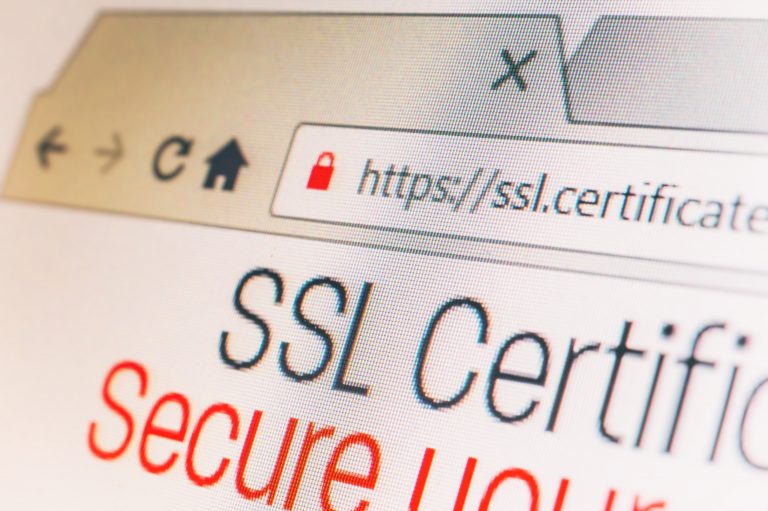
It is worth noting that trust should never be assumed. A genuine secure connection is indicated only by the browser’s lock icon. Users are right to verify it, and organizations must ensure it is always present.
What Distinguishes Trusted SSL Certificate Providers
Not all SSL solutions are equal. Reputable SSL certificate providers differentiate themselves through verification standards, operational support, and lifecycle management.
Comsign operates as the leading certifying authority in Israel and the official distributor of SSL certificates from globally recognized brands, including DigiCert, Thawte, and GeoTrust. This role matters. Global trust chains are built on recognized authorities, not anonymous or low-assurance issuers.
Below are six reasons organizations consistently choose Comsign among competing SSL certificate providers:
1. Recognized Global Certification
Certificates issued through DigiCert, Thawte, and GeoTrust are instantly trusted by browsers worldwide, reducing friction and warning messages.
2. Visible Trust Through the DigiCert Seal
The DigiCert seal signals security and legitimacy at a glance. It reassures visitors that the site is protected and associated with a recognized authority, directly supporting confidence and conversion.
3. Cost Efficiency for Complex Environments
Wildcard and SAN SSL certificates provide a cost-effective approach for organizations managing multiple domains and subdomains without compromising security.
4. PCI Compliance
Comsign’s SSL solutions meet PCI standards, supporting compliance with payment card industry security requirements.
5. Personalized Technical Support
SSL is not purely a product. It is an ongoing responsibility. Comsign provides direct access to SSL experts who tailor certificates to operational needs and respond promptly when issues arise.
6. MPKI Certificate Management System
The MPKI system allows full lifecycle control, including purchasing, tracking, renewal, cancellation, and reporting. This level of visibility is essential for organizations operating at scale.
Advanced SSL Options
Among available solutions, Extended Validation (EV) SSL certificates represent the highest level of assurance. These certificates undergo rigorous verification, confirming the legal and operational existence of the organization before issuance.
The result is a noticeably higher level of trust for website visitors. EV certificates deliver a stronger signal of authenticity than standard SSL options and are particularly effective for websites handling high-value or sensitive interactions.
For organizations transmitting confidential information, SSL encryption infrastructure is not simply recommended; it is foundational.
Why the Choice of SSL Certificate Provider Matters
An SSL certificate provider does more than issue a certificate. It becomes part of the organization’s security posture. Delays in renewal, lack of support, or weak verification processes can lead to outages, browser warnings, and reputational damage.
In practice, organizations increasingly favor established SSL certificate providers with proven infrastructure, regulatory awareness, and responsive human support.
Comsign’s ability to issue certificates within minutes, combined with enterprise-grade encryption and management tools, removes uncertainty from what should be a controlled and predictable process.
A Quiet but Crucial Decision
SSL rarely attracts attention when it works well. That is precisely the point. The right SSL certificate operates in the background, enabling trust without interruption.
For organizations evaluating SSL certificate providers, the goal is clarity: confidence that data is protected, compliance is maintained, and users feel safe engaging online.
Consult an Expert Before You Decide
Security decisions deserve clarity, not assumptions. If there are questions about certificate types, compliance obligations, or managing certificates across complex environments, speaking directly with an expert can remove uncertainty before it becomes a risk.
A short conversation can often prevent long-term exposure. Contact Us.
FAQs
What is the difference between free and paid SSL certificate providers?
Free SSL certificates encrypt data, but they offer limited validation and no accountability. Paid SSL certificate providers verify the organization behind the website, provide warranties, and offer professional support. For organizations handling sensitive data, paid certificates deliver trust, reliability, and legal confidence.
What is the difference between DV, OV, and EV SSL certificates?
Domain Validation (DV) confirms control of a domain only. Organization Validation (OV) verifies the organization’s identity as well as the domain. Extended Validation (EV) involves the most rigorous checks and offers the highest level of visible trust. Each level reflects a different degree of assurance for users.
How long does it take to get an SSL certificate issued?
DV certificates can be issued within minutes. OV certificates typically take one to three working days. EV certificates require more thorough verification and may take several days. The timeframe depends on the level of validation required.
Do I need a different SSL certificate for subdomains, or can I use a Wildcard certificate?
A standard SSL certificate secures a single domain only. A Wildcard SSL certificate secures the main domain and all its subdomains under one certificate. This is a practical and cost-effective choice for organizations managing multiple services or environments.